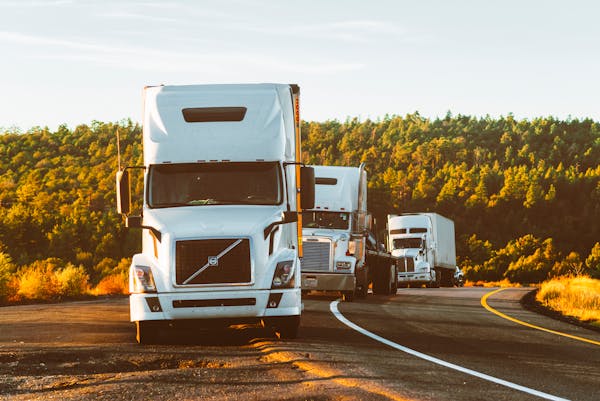
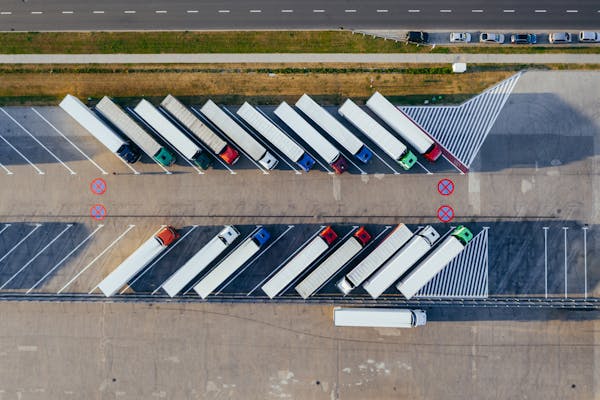
Self-driving trucks have been talked about in movies and shows for a long time. Advances in tech are moving things along to make them real on real roads. Engineers and computer experts are spending a lot of time figuring out how to create autonomous driving. They want solutions to trucking problems like needing fewer drivers and the high costs of running trucks.
Now, tests with AI trucks are happening on highways as practice drives. Big companies are trying these self-driving semis on real roads. Progress in tech is happening very fast. Ten years from now, robot trucks may change shipping.
Let’s look down the road for self-driving trucks and the new changes coming to the industry. Also, big trends are all set to remake trucking’s highways.
1. Advancements in AI Technology
For self-driving trucks to perform their driving duties, artificial intelligence must keep improving. Deep learning allows neural networks to recognize objects and assess situations better. Advanced computer vision enabled by powerful computers lets sensors “see” the road. Machine learning from test miles logged helps algorithms continuously improve decisions.
Moreover, systems can now identify hand signals from road crews and complex intersections with fewer mistakes than earlier versions. Truck makers also combine detailed maps with location details down to centimeters to help self-driving vehicles navigate reliably. The latest AI abilities are getting closer to human-level performance and, according to trucking news, are bringing autonomous semi-trucks one step closer to working for actual companies.

2. Regulatory Changes
Federal and state regulations need to flex for self-driving trucks to use public roads. New support from truck groups led some areas to change rules that were helpful for driverless vehicles. Some let trucks without operators if a person watching can take over driving fast if the AI system fails.
Other places allow self-driving groups. Tests see lines of many self-driving trucks going together, helped by vehicle talk between trucks. Such law changes welcome hopeful tech while making sure of safety with supervision. As national laws move toward one set of rules, more testing chances are showing around the country for self-driving truck companies to improve their systems.
3. Industry Collaborations
Groups have to team up to make self-driving trucks all on their own. That’s why partnerships between companies have sped things along. One company centered on self-drive tech joined a truck maker to design special semis built from the start with AI abilities. Meanwhile, a famous package shipper partnered with a self-driving startup and truck builder to test delivery trips. An autonomous tech developer worked with a big transportation supplier in another group to try convoy tech moving cargo nationwide.
These alliances have helped show that self-driving big rigs are safe and can work in the real world faster than any player alone. Experts expect more across-industry groups as each partner’s skills help driverless trucking move quicker than planned to customers; when different strengths team up, progress is boosted.

4. Pilot Programs
Tests in the real world putting self-driving trucks in varied driving help find weak spots to fix. Also, systems trained on lessons from the tests show better skills like handling California’s busy traffic or Nevada’s dusty weather. As the tests expand in the number of trucks and where they drive, the self-driving trucks’ preparation to carry cargo commercially advances in real ways.

5. Safety Improvements
Self-driving trucking promises fewer accidents from common human errors behind the wheel, which currently cause 93.5% of crashes. Autonomous semis can slam on the brakes quickly and keep safe distances from other vehicles, and truck caravanning, helped by smart vehicle tech and communication, makes sharing the road more organized and protected. Fewer incidents mean fewer injuries, lower repair costs, and fewer traffic disruptions.
Proven safety technologies in passenger vehicles, such as Autonomous Emergency Braking, Collision Avoidance, and Lane Departure Warning, will carry over to self-driving commercial vehicles, improving safety for all road users.
6. Fuel Efficiency
Self-driving truck’s improved logistics and platooning abilities present big chances for fuel savings. Algorithms can map the best routes and minimize empty return trips that waste fuel. Linking autonomous vehicles into close-packed caravans, or platoons, cuts wind resistance and allows for the same speed and distances for better wind flow. Experts guess fuel use could drop up to 20% through platooning alone compared to people-driven trucks. Additional efficiency comes from computer controls that avoid needless idling and carefully regulate speeds.
7. Supply Chain Optimization
By changing how cargo moves, self-driving trucks open the door to changing package networks. AI planning and adjusting when to go maximizes vehicle loads by linking pickup and drop schedules between trucks.
That allows for fitting open space closely to demand patterns and reduces driving without packages. Bigger shipping companies can group loads into robot trucks using algorithms that change routes versus keeping trucks with almost no cargo.

Final Thoughts
Self-driving trucks are quickly shifting from a far-out dream to an actual business option this decade and beyond. Improvements in next-level self-driving tech, rule books, industry team-ups, and ongoing tests are all coming together to reshape freight transport on a considerable scale. Beyond how it works, autonomous trucks will touch every part of logistics, making supply chains as we know them completely different.
When computer-led groups routinely use America’s highways to haul goods, it will be a revolution starting a new era of clean, improved transportation. With the ongoing inventions, robot trucks will haul our goods safely, efficiently, and without emissions under the big open sky.